Understanding Key Tree Removal Cost Factors for Homeowners
When a large tree on your property starts to lean toward the house or shows signs of decay, the first question that comes to mind is often about the price. Tree removal is not a one-size-fits-all service, and several tree removal cost factors can push the final number up or down. Having spent years working in the tree care industry, I have seen homeowners surprised by quotes that seem high until the full scope of work is explained. The truth is that what you pay reflects the complexity of the job, the equipment needed, and the risks involved.
In DeLand, Florida, where I operate, the mix of mature oaks, pines, and palms means that every removal is different. A small tree in an open yard might be straightforward, but a large oak leaning over a roof, tangled in power lines, or growing next to a fence line changes everything. The tree removal cost factors that matter most include size, location, accessibility, and the presence of any obstacles. Let me walk through the main ones so you can understand what goes into a fair estimate.
Tree Size and Tree Diameter Measurement
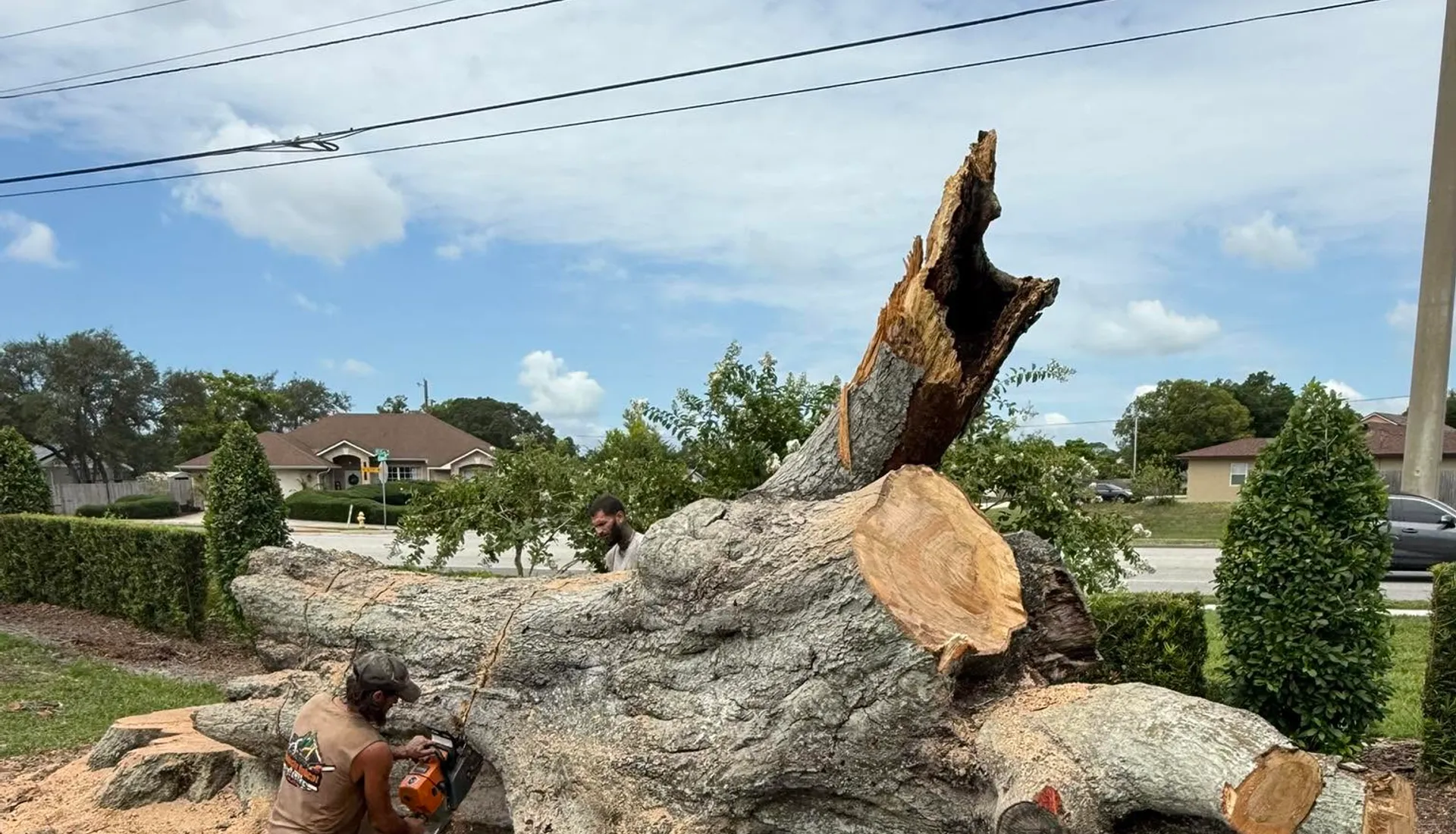
The single biggest driver of cost is the size of the tree, usually measured by trunk diameter at chest height. Arborists use a standard method called tree diameter measurement, which gives a reliable way to compare trees. A tree with a 12-inch diameter might cost a few hundred dollars to remove, while a 48-inch oak can easily run into the thousands. Larger trees require more labor, bigger equipment, and often a crane service to safely lower heavy sections. The weight of the wood alone makes handling far more dangerous, so you are paying for expertise and safety protocols as much as for the physical work.
Location and Overhead Obstacles
Where the tree stands on your property matters enormously. A tree in the middle of a large lawn, far from structures, is simpler to fell in one piece. But most trees that need removal are close to houses, fences, sheds, or driveways. When a tree is near a building, the arborist must dismantle it piece by piece, rigging each section down with ropes. This process is slow and requires skilled climbers. Overhead obstacles like power lines add another layer of complexity. Utility companies often require certified crews for power line clearance, and that specialist work comes at a premium. In DeLand, local regulations also require that any tree removal near power lines be handled with specific safety measures, which affects the overall cost.
Site Accessibility and Equipment Needs
Getting equipment to the tree is another factor that can change the price. If the tree is in a backyard with a narrow gate or no driveway access, a standard truck cannot reach it. The crew may need to carry out all debris by hand or use smaller equipment. In tight spaces, a crane service becomes the only practical option. Cranes allow the crew to lift heavy sections over obstacles, but they add significant cost due to the machinery, transport, and operator fees. On the other hand, an open, accessible site lets the crew work faster and bring in a wood chipper, which speeds up cleanup and lowers labor hours.
Tree Condition and Hazard Assessment
A healthy tree is easier to remove than a dead or dying one. Dead wood is brittle and can break unpredictably, putting the crew and property at risk. A hazard tree assessment by a professional arborist can identify structural weaknesses, decay, or disease that affect the removal plan. If the tree is leaning toward a structure or has a compromised root system, the approach changes. The crew may need to use more rigging, lower sections slowly, or bring in a crane to avoid sudden collapse. Emergency tree removal after a storm is another category entirely. When a tree has already fallen onto a house or blocked a driveway, the work is urgent and often more dangerous, so the cost reflects that urgency. DeLand experiences its share of hurricane threats, and many homeowners find themselves needing emergency services at odd hours.
Permits and Regulations
Many people do not realize that local governments often require permits before removing certain trees. In DeLand, city regulations protect certain species and trees above a certain diameter. A professional arborist will know the local rules and can help you navigate Florida tree removal permits. Failing to get a permit can result in fines and even legal trouble, so it is important to work with a company that understands the local landscape. The cost of the permit itself is usually modest, but the time spent on paperwork and inspections can add to the project timeline. A reputable company includes this in the initial tree removal estimate so there are no surprises.
Additional Services That Affect the Total
When you get a quote for tree removal, it may or may not include stump grinding. Many homeowners choose to have the stump ground down to below ground level to prevent regrowth and avoid a tripping hazard. Stump grinding is an extra service that adds to the total cost. Similarly, tree disposal fees can vary depending on whether the crew chips the wood on site, hauls it away, or leaves logs for firewood. Some companies include disposal in the base price; others charge separately. Tree trimming cost is a related but different service, often done for health or aesthetics rather than complete removal. If you are only trimming branches away from your house, that is a lower-cost job, but it still requires skilled climbers and proper pruning techniques to avoid damaging the tree.
Insurance and Liability
Tree removal is inherently dangerous work. A falling branch can damage a roof, a car, or injure someone on the ground. That is why tree removal insurance is not optional for any legitimate company. A professional arborist carries liability insurance and workers compensation coverage. If a crew member gets hurt on your property, you do not want to be held responsible. Always ask to see proof of insurance before hiring anyone. The cost of that insurance is built into your quote, but it is a small price for peace of mind. Property damage liability is a real concern, and a reputable company will have coverage to protect you if something goes wrong.
Landscape Preservation and Tree Root System Concerns
If you have a prized garden, a patio, or an irrigation system near the tree, the crew must work carefully to avoid damage. Landscape preservation adds time to the job because they cannot simply drive heavy equipment over the lawn. They may need to lay down plywood sheets or use hand tools to protect the ground. The tree root system itself can complicate removal, especially if the tree is near a foundation or a septic field. Removing a large stump may require digging out major roots, which can disturb the soil and affect nearby plants. An arborist report can help evaluate these risks before work begins, and the report itself is another cost factor to consider.
Why You Should Get a Detailed Tree Removal Estimate
Given all these variables, a phone quote based only on tree species and height is not reliable. A good tree removal estimate should be done on site, with the arborist looking at the tree, the surrounding area, and any potential obstacles. They will measure the diameter, check for decay, note any overhead obstacles, and discuss your preferences for cleanup and stump treatment. A thorough estimate protects both you and the crew, because it sets clear expectations for what will be done and what it will cost. Do not be afraid to ask questions about how they handle power line clearance, what kind of insurance they carry, and whether they will haul away all debris.
Understanding these tree removal cost factors helps you make an informed decision when it is time to remove a tree. The price is not just about cutting wood; it is about managing risk, protecting your property, and doing the job safely. A professional arborist brings years of training and experience to every job, and that expertise is what you are really paying for. In the end, the goal is to have the tree removed without damage to your home or injury to anyone, and that is worth the investment.